I have seen companies with an exceptional product present it to the world as if they were apologising for existing.
This idea has troubled me for years. I work at the point where visual identity meets the real market, and I have watched this scene play out far more often than it should: a wonderful product, a culture thousands of years deep, a story beautiful enough to move any consumer in the world to tears. And yet, when you look for an Arab brand on the list of the world’s top 100 brands, you find nothing.
Why?
The Problem Isn’t the Product
When an Arab brand fails globally, the first thing its owners say is, “The product was excellent, but the market didn’t get it.” And that is the first mistake: believing that a product sells itself.
Nike doesn’t sell shoes. Apple doesn’t sell phones. These brands sell a feeling, an identity, a vision of life. Many Arab brands still think with a “a good product is enough” mindset, and Arab manufacturers sometimes still see marketing as a cost rather than an investment. This isn’t an opinion; it is what I hear in real meetings.
The “Foreign Is Better” Complex: When a Brand Borrows Someone Else’s Personality
I was once sitting with the CEO of an Arab luxury brand. The identity in front of me had Armani’s colours, an Armani-like typeface and Armani-style photography, but on less than a quarter of the budget.
I asked him why he had chosen this direction.
He replied confidently, “Because customers trust the Western look.”
That sentence sums up the entire problem.
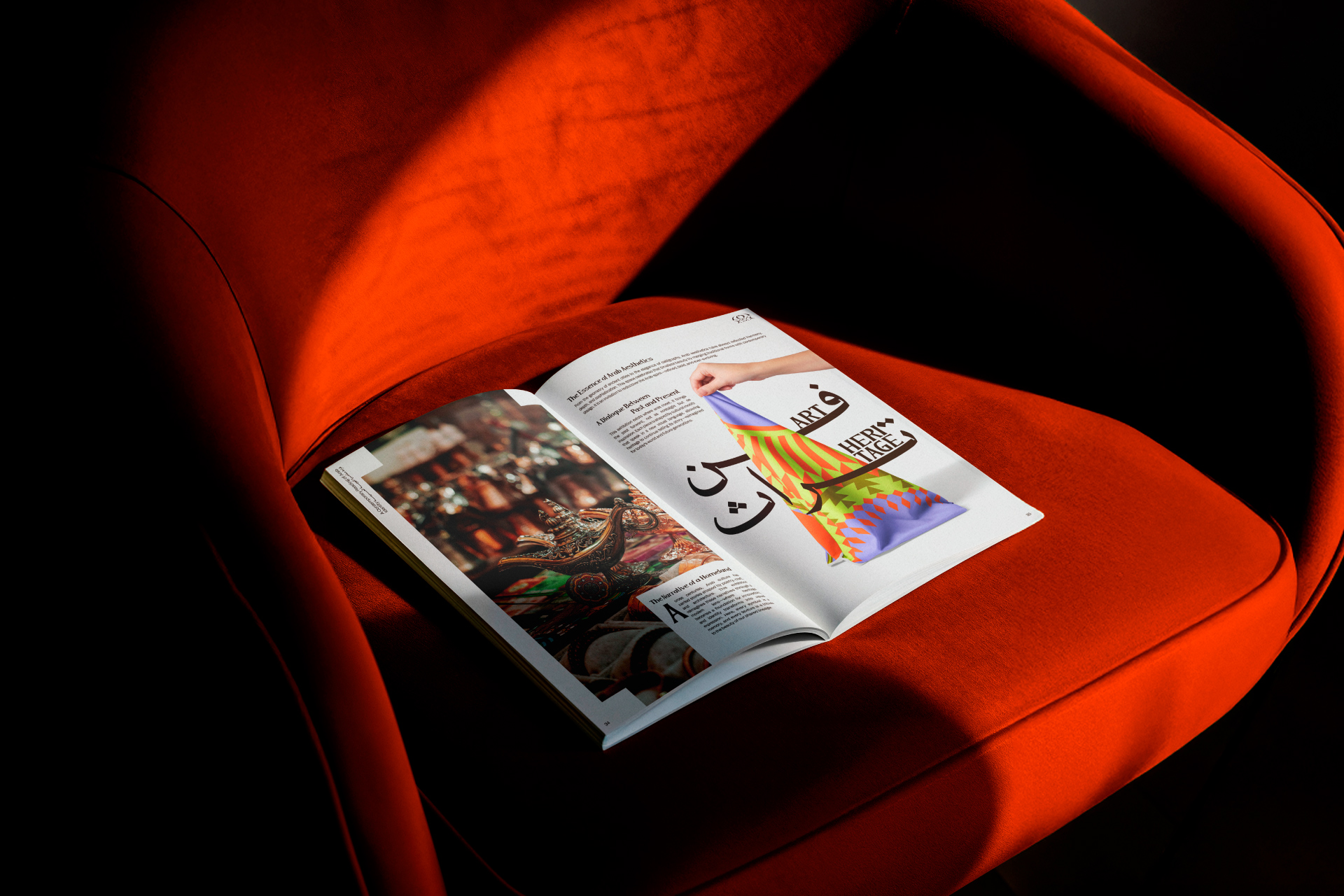
When an Arab brand tries to look “Western” to gain credibility, it loses the most important thing it owns: its authenticity. The irony is that global audiences today are looking precisely for distinctive, authentic identities, not endless copies. Islamic architecture, Arabian perfume culture, the philosophy of hospitality, the geometric art of our heritage: this is a treasure we have not even begun to mine in a way that does it justice.
Three Real Wounds
The first: the brand looks different on Instagram, on the website and in the physical shop. This inconsistency doesn’t just confuse consumers; it makes them doubt how serious the people behind the brand really are.
The second: translating the message literally from Arabic into English. Marketing isn’t translated — it’s rebuilt. A message that moves the heart of a consumer in the Gulf needs to be completely rewritten to move a consumer in London or Tokyo. A dictionary won’t do it.
The third: the absence of a decision by top management to build a real brand. Many companies want a global brand but run a local budget and think in quarterly horizons. Building a brand is a long-term investment, and when management isn’t convinced of that, it doesn’t matter how talented the designer is.
But the Landscape Is Changing
Consumers in the region itself have started to prefer local brands with authentic identities over the big global names. This is a real shift, not a slogan.
The brands that will succeed are the ones that invest in their true identity, adapt intelligently to each market and build a consistent digital presence. Not because this is “the right thing in theory” — but because the market has genuinely started to reward it.
The opportunity is there. The question is: are we ready to trust our identity instead of being ashamed of it?
What about you? Have you ever seen an Arab brand that deserved to go global but never made it? What did you feel it was missing?