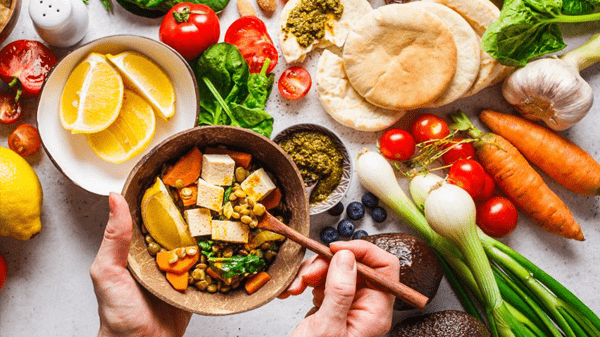
When you switch to a plant-based, vegan diet, you inevitably start researching food and everything it contains. Somewhere along the way you hit a wall: vitamin B12, the one vitamin you cannot get from plants in any form. That is when you stop and ask yourself whether to carry on with veganism or go back to your old diet, for all the harm it does to your health. So let me share what I have learned about it, and then the steps I took to make up for a lack of vitamin B12.
What is vitamin B12?
Vitamin B12, also known as cobalamin, is a water-soluble vitamin. It plays a part in forming red blood cells, in nerve function and in producing DNA. The body can store it for many years, but it cannot make it on its own, so it has to come from outside sources such as meat or dietary supplements. A person needs about 5 micrograms of it a day.
Where does vitamin B12 come from?
Cobalamin comes exclusively from bacteria. Bacteria produce it inside an animal's gut, or the animal picks it up by grazing on plants contaminated with the droppings of other animals. We are talking here, of course, about animals living freely in nature, in unspoilt environments beyond the reach of human interference.
In today's world, most meat is produced on farms owned by large corporations. The animals are raised in cages that restrict their movement, so that they fatten as quickly as possible and burn none of their feed by moving around. They are given industrial feed laced with synthetic hormones that build up muscle mass within months. There are plenty of videos showing how these animals are raised, whether chickens, cattle or any of the other animals people eat.
Meat companies used to inject their cattle with vitamin B12, but the practice was expensive and most of them abandoned it. A Birmingham hospital carried out a study on vitamin B12 (you will find a link to it in the sources below).
It found that 40% of people who eat meat are deficient in vitamin B12. So whether you favour eating meat or a plant-based diet, you should cover your daily need for this vitamin with supplements.
Symptoms of vitamin B12 deficiency
A number of signs can appear when you are low on vitamin B12. The best known are:
- Tiredness and fatigue
- Numbness in the hands and feet
- Memory problems
- Loss of balance
- Depression
- Anaemia
- Osteoporosis
- Dementia.
How to treat a deficiency and meet your needs
If a B12 deficiency goes untreated, the complications can be serious. They include:
- A higher risk of heart disease
- Depression
- Alzheimer's disease
- Autism
- Mental health problems.
So it is worth making up any shortfall in this vitamin to avoid these serious problems; prevention, as ever, is better than cure.
A deficiency is usually corrected with supplements, taken as tablets dissolved under the tongue, as injections or as oral drops.
In short
Because of the heavy pollution in our world, you are likely to run short of vitamin B12 whether you eat meat or follow a plant-based diet. That is why we need to make up the shortfall with supplements, which is exactly what I have been doing for the past month.
If you found this useful, please share it so others can benefit too. You might also like my first article, on how I made the switch to veganism
Sources:
1 – Vitamin B12 deficiency is associated with geographical latitude and solar radiation in the older population
2 – Vitamin B12 deficiency can be sneaky, harmful
3 – Neuropsychiatric Disorders Caused by Cobalamin Deficiency in the Absence of Anemia or Macrocytosis