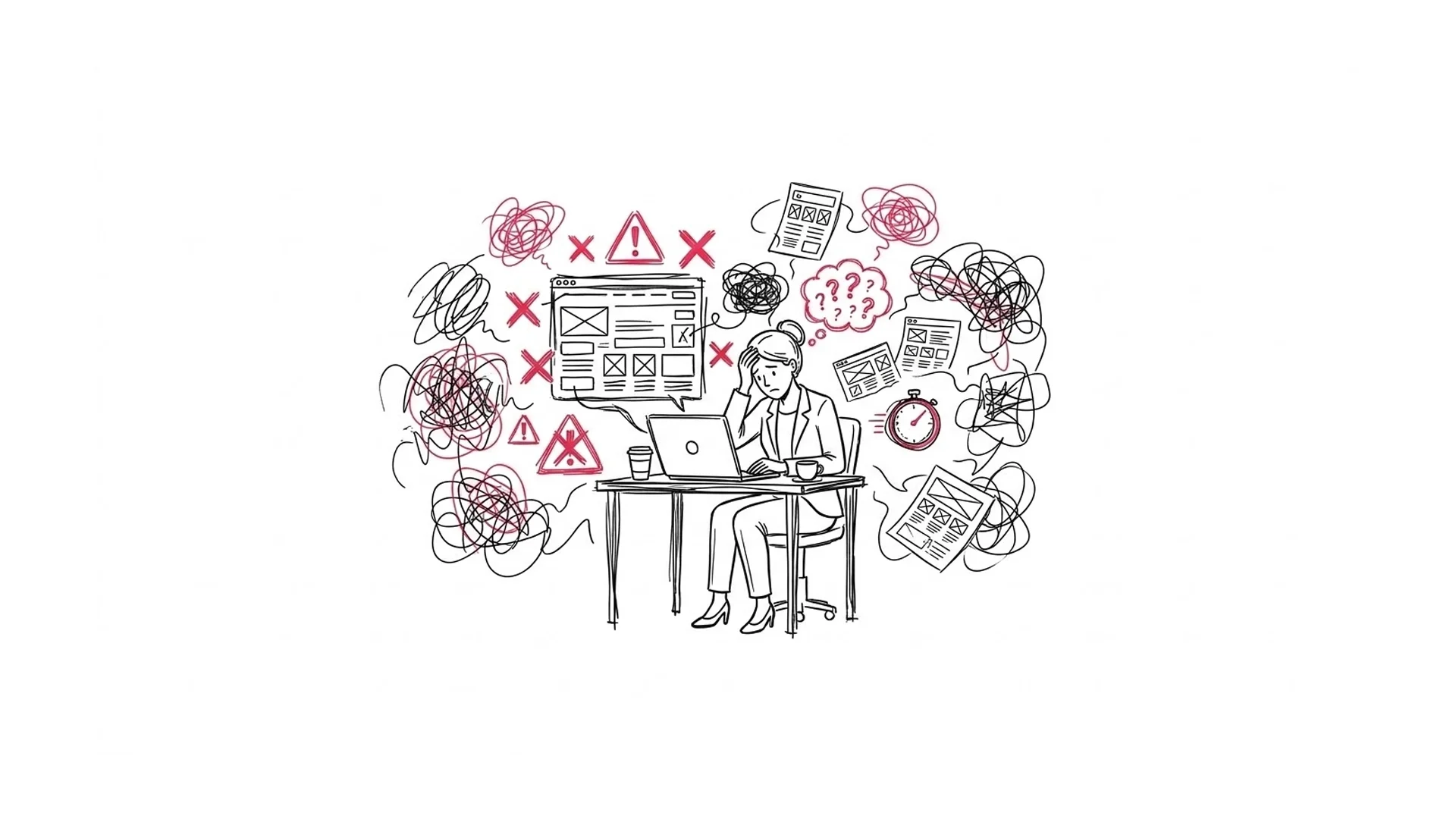
Two years ago, I sat down with the owner of a start-up in Dubai. He had spent months working on his project, preparing the brand identity and the designs. I asked him, “Who is your customer?” He paused. Then he said confidently, “Everyone.”
That one word explains why the website still hasn’t launched to this day, and why the company has achieved no digital success at all.
When You Build for “Everyone”, You Reach No One
Imagine standing in the middle of Sheikh Zayed Road and shouting in every direction. Everyone hears you, but nobody turns around, because the message wasn’t meant for them specifically.
The problem isn’t the website. The problem is the decision that came before it: launching without defining exactly who you are talking to. Dubai is unlike any other city. It is home to residents of 200 nationalities, tourists, professionals, families and businesses. Anyone who thinks their product is “for everyone” falls into a trap that costs them months of work with nothing to show for it. This market has no mercy for vagueness, and every fuzzy marketing message disappears into the noise of the city.
Have you ever launched something and felt that nobody noticed? Chances are the problem wasn’t the product.
Waiting Until “Everything” Is Ready
The second mistake I see again and again is waiting for the perfect moment. The website “isn’t ready yet”. The content “is missing something”. The service “needs improving”.
Yes, sometimes waiting is the right call, if the product is genuinely incomplete at its core. But in most cases, waiting isn’t wisdom; it is fear dressed up as perfectionism. The result? Months go by, the market moves on, and the competitor who launched half-prepared builds the customer base that should have been yours. A good product that arrives late loses to a lesser product that arrived first. Dubai, whose entrepreneurial ecosystem grew by 33% in a single year, does not wait.
Market Validation Comes After Launch, Not Before
Many founders spend thousands of dirhams on theoretical market research, then launch and discover that reality looks nothing like the paperwork.
The smarter approach? Launch a small version, listen to people, and adjust. This is what’s known as an MVP, and it isn’t so much a technical term as a mindset: I don’t know everything in advance, and I will learn from the market itself. The best decision a founder can make is to be humble in the face of reality early on, before reality forces that humility on them later.
Buy Cheap, Pay Twice
Nobody talks openly about this mistake, but it is more widespread in Dubai than you might imagine.
A business owner finds an offer for $200: a complete website, hosting, a domain and design. He thinks, “Why pay more?” and signs. Then, months later, he is sitting in front of his screen looking at a slow website that crashes every week, doesn’t appear on Google, and has left his customers’ data exposed or lost. The Dubai market is competitive and fast-moving, and your website is your shop window. A $200 shop window tells the customer one thing: this company doesn’t take itself seriously.
The problem isn’t everyone who offers cheap deals; some of them are genuinely talented professionals who deserve more than they charge. The problem is the “cheaper = smarter” culture, a culture that ends up costing people double what they saved once they have to rebuild from scratch.
Before you sign with any provider, ask yourself one question: does this price reflect the value of your business in your customers’ eyes?
A Website Without Tracking Is a Car Without Mirrors
Imagine driving down a busy road with no side or rear-view mirrors. You are moving, but you are blind to everything around you. That is exactly what launching a website without a tracking or analytics tool looks like.
Many people launch their website, start paid advertising in Dubai’s huge, competitive market and spend their budget… without knowing where visitors came from, how long they stayed, or where they left. Every advertising decision is built on guesswork rather than facts, and in a market where big companies spend millions, guesswork is a luxury you can’t afford. Companies that use real analytics see their ad click-through rates double and their email open rates rise by 75% compared with those who rely on gut feeling.
Tools such as Google Analytics or Microsoft Clarity are completely free, and they answer the most important question: what attracts your customer, and what drives them away? Without them, you are throwing your advertising budget into thin air.
The One Question That Changes Everything
Before any step, before any website, before any launch, ask yourself one question:
“Who exactly am I building this for, and what single problem am I solving for them?”
Not a broad segment. Not a huge market. One person, with one problem, who needs one solution.
Once you answer this clearly, every decision after it becomes easier. The website writes itself. The message becomes clear. And the customer finds you before you go looking for them.
Have you made any of these mistakes? Which one cost you the most? Tell me in the comments.