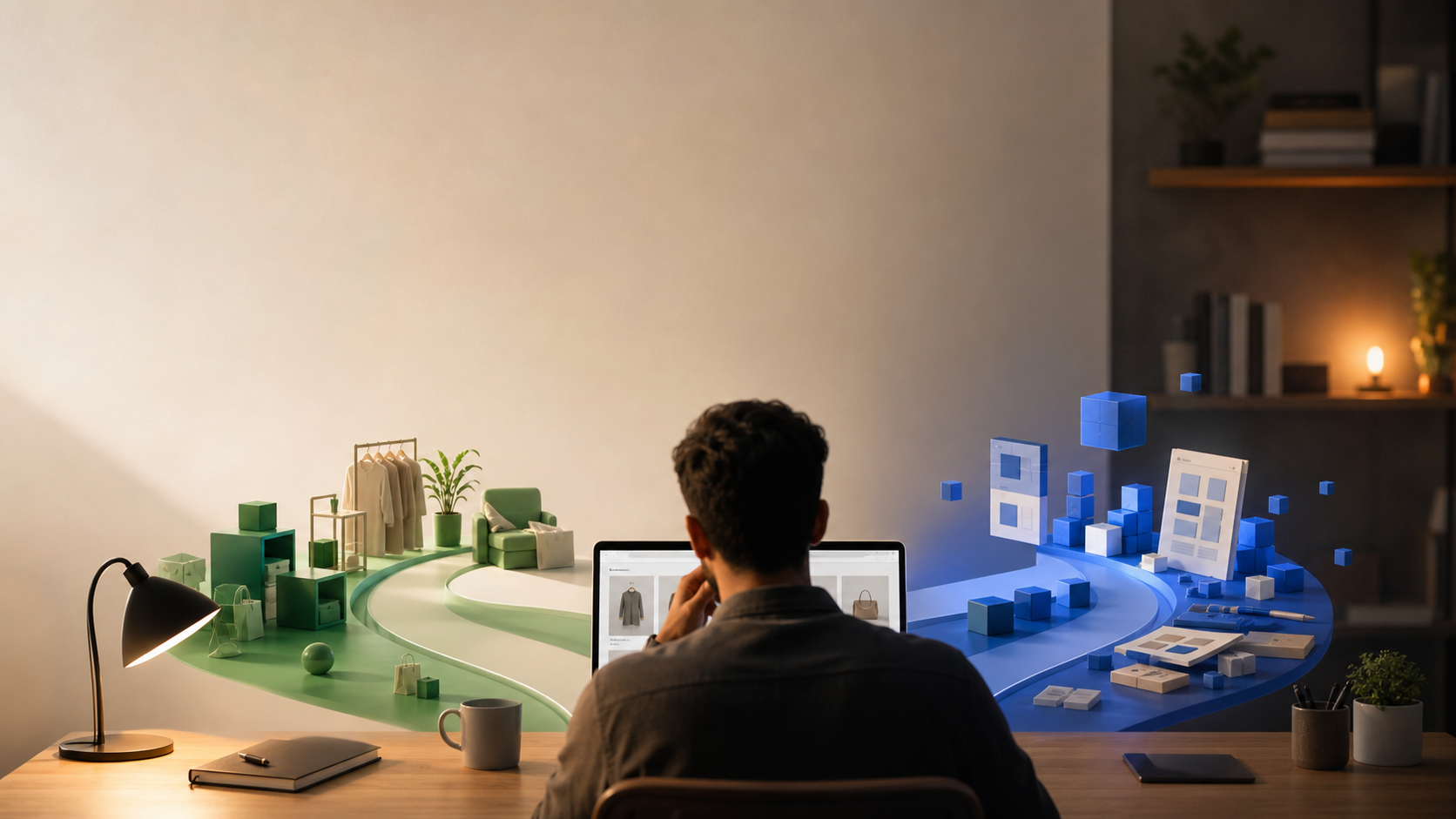
The moment someone opens your website, something happens that you can't see — a silent trial inside their head. Not a trial of logic, but of feeling. Before they read a single line of your offer, they have already reached a first verdict based on something they couldn't explain themselves.
Trust isn't built through persuasion, but through resemblance
The human brain doesn't look for the best option; it looks for the most familiar one. When customers see a website that mirrors the way they think, they feel a quiet pulse telling them: "These people get me." That feeling has nothing to do with price or design — it comes from the words you choose, and from describing their problem so precisely that they believe you know them personally.
Imagine you have been searching for a solution to a problem that has been bothering you for months. Suddenly you read a sentence that describes it exactly — not in generalities, but in the small details you thought nobody else understood. At that moment, you stop comparing prices. You've decided.
Decisions are born in the gut and justified in the head
Neuroscientists have known this for decades, yet traditional marketing still writes feature lists as if it were addressing an accountant. The truth is that buying is an emotion that looks for a logical explanation afterwards. Customers feel first — then convince themselves they "thought it through carefully."
This isn't about manipulation. It means your message has to reach the right layer first: the layer that asks "Will my life change after this decision?" and not just "Is the price right?"
The fear of loss is stronger than the joy of gain
Have you ever noticed that you lose more sleep over something you lost than you feel joy over something you gained? That isn't weakness — it's design. The human brain weighs a loss at twice the value of an equivalent gain. Sellers who understand this don't say "You'll gain this much" — they say "Every day you put off this decision, this is what you're leaving on the table."
The difference is subtle, but it changes everything.
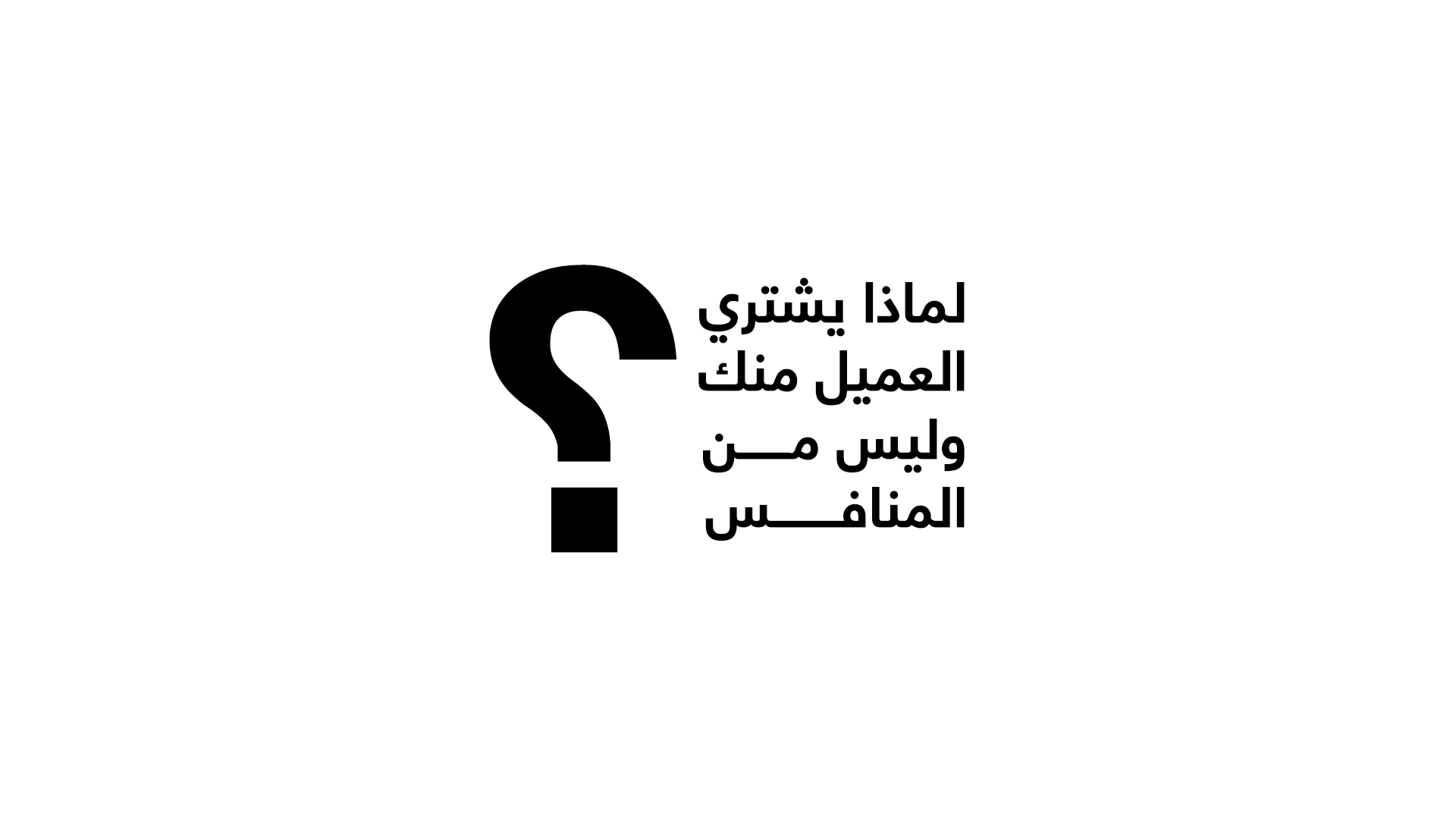
Competitors don't lose on price, they lose on ambiguity
When customers stand between two similar options, they don't always choose the cheaper one — they choose the clearer one. The website or message that answers their unspoken questions before they ask them wins. Ambiguity creates tension, and tension freezes decisions. And a frozen decision goes to the competitor — not because they are better, but because choosing them takes less mental effort.
Identity beats utility
People don't buy products — they buy a reflection of who they want to be. Someone who buys a piece of art for their wall isn't buying "decor" — they're buying the sense of being someone who appreciates beauty and creates surroundings that reflect their taste. When you speak to that identity instead of the specifications, you become part of their story — not just another option on a list.
The difference between a website that sells and one that doesn't isn't the design or the number of stars next to the product. It's how well you can make visitors feel — within a few seconds — that you know them, understand them, and that what you offer was made specifically for them.