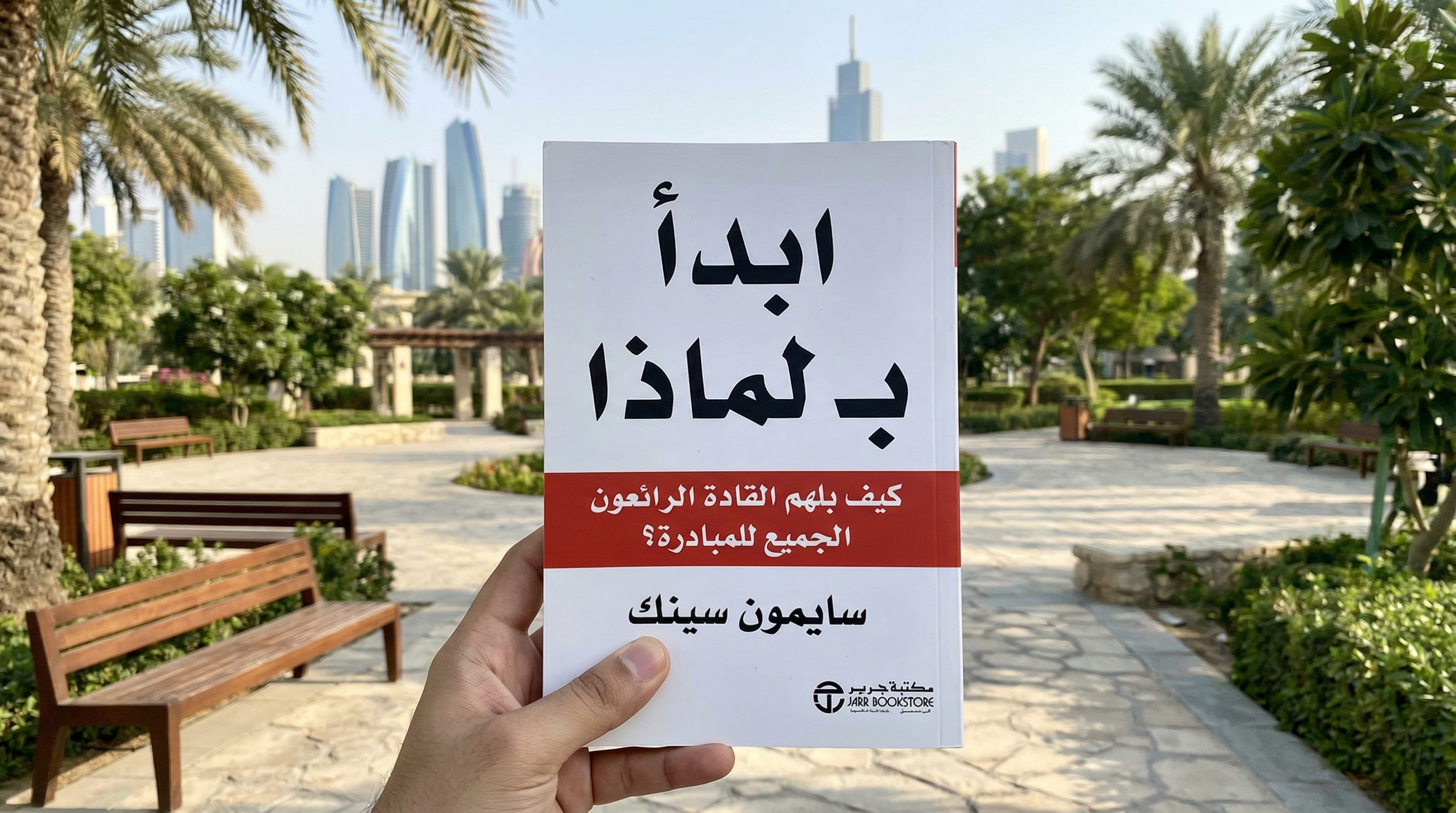
Of the many books I've read on entrepreneurship, marketing and start-ups, very few stop you at the deeper question: why do you do what you do in the first place?
Start with Why by Simon Sinek was one of those rare books that make you put them down and think for a long time. Not because the idea is difficult, but because it is startlingly simple.
What is the book about?
The central idea Sinek builds on is what he calls the "Golden Circle" — three nested circles: "Why" at the centre, then "How", then "What" on the outside. Most people and companies work from the outside in: they explain what they make, then how they make it, but they rarely answer the essential question: why do they exist at all?
Companies that inspire people and build real loyalty (Apple, for example) reverse this order completely. They don't say: "We make good computers with elegant designs. Buy one." They say: "We believe in a different way of thinking, and everything we make is the result of that belief." The difference between those two statements isn't a marketing difference; it is a difference of identity.
The lesson that hit me personally
I was working on a project and spent all my time thinking: what will I offer? How will I market it? But when I read this book, I realised I had never once asked myself: why do I want to build it? What conviction is driving me?
And this is exactly what Sinek explains biologically — real decisions come from the deep part of the brain, the part that doesn't process language but does process feelings and trust. That's why, when you explain your "why", people feel you before they understand you.
The project failed anyway, for other reasons I'll write about in another article.
People don't buy what you make, they buy why you make it
This idea completely changed the way I look at digital content. Think about it: why do people follow particular individuals online when thousands of others offer the same information? Not because the information is always better, but because they believe what the creator believes, and they feel that person is speaking from a genuine place, not a paid one.
This is the essence of the power of digital humanity: your digital presence going beyond mere information to reach conviction and true purpose.
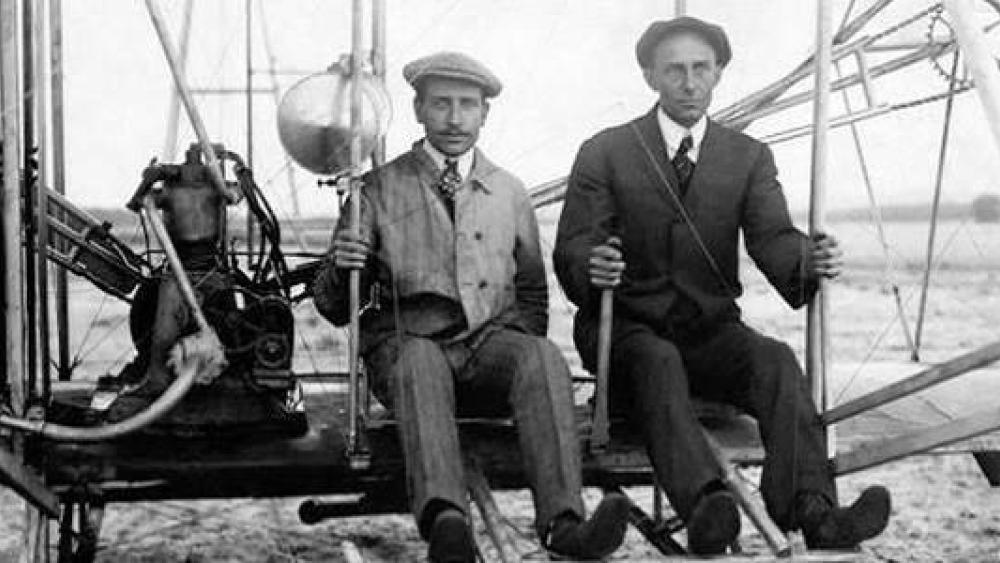
The story of the Wright brothers
Sinek gives a brilliant example in the Wright brothers. At the same time there was Samuel Langley: a talented man, well funded, with a bigger team. Yet it was the Wright brothers who succeeded in inventing powered flight. Why? Because they were driven by a real dream — a belief that people could fly. Langley, on the other hand, wanted glory and money. When the brothers failed an attempt, they came back and tried again. When Langley was beaten to it, he quit and stopped everything.
A strong "why" doesn't just help you succeed — it keeps you going.
Three things I put into practice after reading it
· I asked myself: why do I write? Why am I building this content? The honest answer was different from what I had assumed.
· I started talking about my convictions first, before talking about what I offer, and the difference in how people engaged was obvious.
· I stopped comparing myself with others on "what they do" and started focusing on "why I'm here".
A question I'll leave you with
Before you close this article: can you write, in one sentence, why you do what you do every day? Not what you do. Not how. Just: why?
If you find it hard to answer, this book was written for you.
Start with Why isn't only a book about marketing or leadership; it is a book about inner clarity. And in a digital world crowded with content, those who have real clarity about their "why" are the ones who last and make an impact.